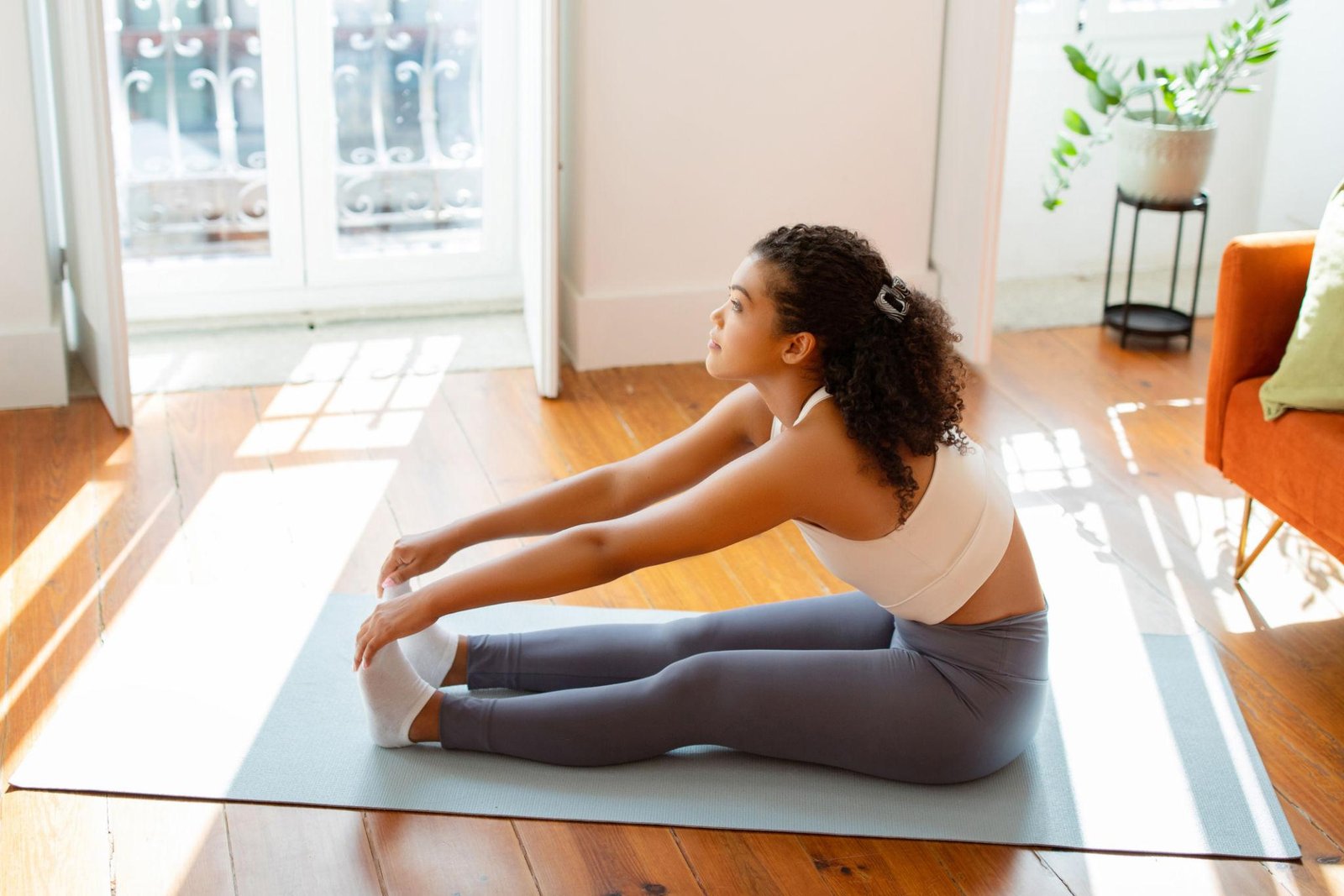
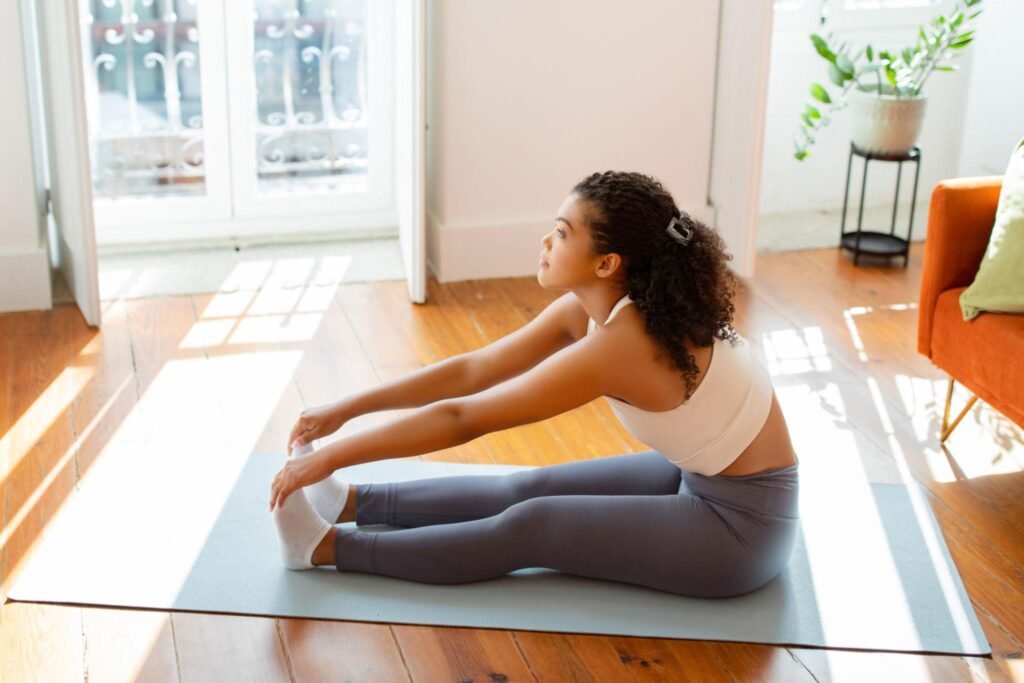
After finishing a workout, many people simply grab a bottle of water and move on with their day. While hydration is important, stretching is another habit that should never be skipped. A proper best stretching routine after workout at home helps your muscles recover, improves flexibility, reduces stiffness, and prepares your body for the next workout.
Whether you are doing bodyweight exercises, strength training, HIIT, yoga, or cardio at home, spending just 10 to 15 minutes stretching can make a huge difference. You do not need any expensive equipment or professional guidance. All you need is a little space and consistency.
In this guide, I will share the best stretching routine after workout at home, explain why it matters, and show you the right way to perform each stretch safely.
Why Stretching After a Workout Is Important
Your muscles contract repeatedly during exercise. After the workout, they remain tight and shortened. Stretching helps bring the muscles back to their normal length while improving blood circulation.
Some major benefits include:
- Reduces muscle tightness
- Improves flexibility
- Supports faster recovery
- Increases range of motion
- Helps prevent stiffness
- Promotes better posture
- Relaxes both body and mind
Although stretching may not completely prevent muscle soreness, it definitely helps your body feel more relaxed and ready for your next training session.
How Long Should You Stretch?
Experts generally recommend spending around 10 to 15 minutes stretching after exercise.
Hold every stretch for about 20 to 30 seconds without bouncing. If a muscle feels particularly tight, you can repeat the stretch once or twice.
Always breathe slowly and deeply while stretching.
Best Stretching Routine After Workout at Home
Here is a simple full body stretching routine you can follow after almost any home workout.
1. Standing Hamstring Stretch
The hamstrings often become tight after running, jumping, or leg workouts.
How to do it:
Stand with one foot slightly in front of the other. Keep your front leg straight and bend your back knee slightly. Lean forward from your hips while keeping your back straight until you feel a stretch in the back of your thigh.
Hold for 30 seconds before switching sides.
Benefits:
- Improves flexibility
- Reduces tightness in the back of the legs
- Supports lower back health
2. Standing Quadriceps Stretch
Your quadriceps work hard during squats, lunges, and climbing stairs.
How to do it:
Stand tall and hold onto a wall if needed. Pull one foot behind you toward your glutes while keeping your knees together.
Hold for 30 seconds on each leg.
Benefits:
- Relieves front thigh tightness
- Improves knee mobility
- Helps maintain healthy leg muscles
3. Calf Stretch
The calf muscles become tight after walking, jogging, skipping rope, or HIIT workouts.
How to do it:
Place your hands against a wall. Step one foot backward while keeping your heel flat on the floor. Bend the front knee until you feel a stretch in the back leg.
Hold for 30 seconds before changing legs.
Benefits:
- Improves ankle flexibility
- Reduces calf stiffness
- Helps prevent muscle cramps
4. Hip Flexor Stretch
Sitting for long hours combined with exercise can make the hip flexors very tight.
How to do it:
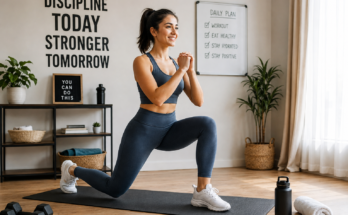
Step into a lunge position. Lower your back knee to the floor and gently push your hips forward.
You should feel the stretch at the front of your hip.
Hold for 30 seconds on each side.
Benefits:
- Improves hip mobility
- Reduces lower back pressure
- Supports better posture
5. Glute Stretch
Your glute muscles play a major role during squats, lunges, and lower body workouts.
How to do it:
Lie on your back. Cross one ankle over the opposite knee. Pull the supporting leg toward your chest.
Hold for 30 seconds before switching sides.
Benefits:
- Reduces hip tightness
- Improves flexibility
- Helps ease lower back discomfort
6. Child’s Pose
Child’s Pose is one of the most relaxing stretches for the whole body.
How to do it:
Kneel on the floor and sit back onto your heels. Extend your arms forward while lowering your chest toward the ground.
Relax your neck and breathe deeply.
Hold for 30 to 60 seconds.
Benefits:
- Stretches the back
- Relaxes shoulders
- Reduces stress after exercise
7. Cat Cow Stretch
This movement improves spinal mobility and helps loosen the back.
How to do it:
Start on your hands and knees.
Arch your back upward while tucking your chin toward your chest.
Then slowly lower your stomach while lifting your head and chest.
Repeat for 10 slow repetitions.
Benefits:
- Improves spinal flexibility
- Reduces back stiffness
- Encourages healthy movement
8. Chest Stretch
Push ups and upper body workouts can tighten your chest muscles.
How to do it:
Stand tall and clasp your hands behind your back.
Straighten your arms and gently lift them while opening your chest.
Hold for 30 seconds.
Benefits:
- Improves posture
- Opens the chest
- Reduces shoulder tightness
9. Shoulder Stretch
The shoulders are heavily involved in almost every upper body exercise.
How to do it:
Bring one arm across your chest.
Use your opposite arm to gently pull it closer.
Hold for 30 seconds before switching sides.
Benefits:
- Relieves shoulder tension
- Improves flexibility
- Supports healthy joint movement
10. Triceps Stretch
The triceps work during push ups, dips, and many strength exercises.
How to do it:
Raise one arm overhead.
Bend your elbow so your hand reaches down your back.
Use your other hand to gently press the elbow.
Hold for 30 seconds on each side.
Benefits:
- Improves arm flexibility
- Reduces upper arm tightness
- Increases shoulder mobility
11. Neck Stretch
Your neck may become tense during workouts or daily activities.
How to do it:
Sit or stand comfortably.
Slowly tilt your head toward one shoulder.
Do not force the movement.
Hold for 20 seconds before changing sides.
Benefits:
- Relieves neck tension
- Improves mobility
- Promotes relaxation
Sample 10 Minute Stretching Routine
If you are short on time, follow this quick routine.
Standing Hamstring Stretch for 30 seconds each side
Standing Quadriceps Stretch for 30 seconds each side
Calf Stretch for 30 seconds each side
Hip Flexor Stretch for 30 seconds each side
Glute Stretch for 30 seconds each side
Child’s Pose for 60 seconds
Cat Cow Stretch for 10 repetitions
Chest Stretch for 30 seconds
Shoulder Stretch for 30 seconds each side
Neck Stretch for 20 seconds each side
This simple routine targets every major muscle group used during home workouts.
Tips for Better Stretching Results
To get the most from the best stretching routine after workout at home, keep these tips in mind.
Stretch while your muscles are still warm.
Never bounce during a stretch.
Breathe slowly and naturally.
Do not force your body beyond a comfortable stretch.
Stay consistent after every workout.
Drink enough water after exercising.
Wear comfortable clothing that allows free movement.
Common Stretching Mistakes
Many people stretch incorrectly, reducing the benefits or increasing injury risk.
Avoid these mistakes:
Skipping your cool down completely.
Holding your breath during stretches.
Stretching with cold muscles before warming up.
Rushing through each stretch.
Forcing painful positions.
Ignoring one side of the body.
Remember that stretching should feel gentle, never painful.
Can Beginners Follow This Routine?
Absolutely.
The best stretching routine after workout at home is suitable for beginners because every movement can be adjusted to your flexibility level.
You do not need to touch your toes or perform advanced yoga poses.
Simply stretch until you feel mild tension and stop there. Over time, your flexibility will naturally improve.
Should You Stretch Every Day?
Yes. Daily stretching offers several long term benefits.
Even on rest days, spending 10 minutes stretching can improve flexibility, reduce stiffness, and help your muscles recover from previous workouts.
People who work at desks for long hours can benefit even more from daily stretching.
Who Can Benefit From This Stretching Routine?
This routine is ideal for:
People doing home workouts
Beginners starting a fitness journey
Weight loss enthusiasts
Strength training beginners
Yoga practitioners
Runners
Office workers
Older adults looking to stay active
No matter your fitness level, regular stretching helps maintain healthy movement and supports overall wellness.
Final Thoughts
Following the best stretching routine after workout at home is one of the easiest ways to improve your recovery, flexibility, and overall fitness. You only need about 10 to 15 minutes after each workout to help your muscles relax and recover properly.
The key is consistency. Instead of stretching only when you feel sore, make it a regular part of your workout routine. Focus on slow movements, controlled breathing, and gentle stretches that target every major muscle group.
Over time, you will notice less stiffness, better mobility, improved posture, and more comfortable workouts. Whether your goal is weight loss, muscle building, or simply staying healthy, adding a post workout stretching routine to your daily habit is a smart investment in your long term fitness journey.