If you are just starting your fitness journey, one of the first questions that probably comes to your mind is how much protein should beginners eat daily. You may hear different answers from friends, trainers, or social media. Some people say you need a lot of protein, while others think a normal diet is enough.
The truth is much simpler than most people think.
Protein is an essential nutrient that helps your body build muscle, repair tissues, support your immune system, and keep you feeling full for longer. Whether your goal is to lose weight, build muscle, or simply become healthier, eating the right amount of protein can make a big difference.
In this guide, I will explain how much protein beginners should eat daily, why it matters, the best protein sources, and simple tips to reach your daily target.
Why Protein Is Important for Beginners
Protein is made up of amino acids, which are often called the building blocks of the body. Every muscle, organ, and tissue needs protein to grow and repair itself.
When you start exercising, especially strength training, your muscles experience tiny tears. Your body repairs these tears using protein, making your muscles stronger over time.
Without enough protein, your body cannot recover properly, and you may notice slower progress.
Protein also helps:
Improve muscle recovery
Support muscle growth
Reduce hunger
Boost metabolism
Maintain healthy skin, hair, and nails
Support overall health
This is why understanding how much protein should beginners eat daily is important from the very beginning.
How Much Protein Should Beginners Eat Daily?
For most healthy adults, the recommended daily protein intake depends on body weight and activity level.
Here are simple guidelines.
Sedentary adults
0.8 grams of protein per kilogram of body weight.
People starting regular workouts
1.2 to 1.6 grams per kilogram.
People focused on muscle building
1.6 to 2.2 grams per kilogram.
For beginners, aiming for around 1.4 to 1.6 grams per kilogram of body weight is usually enough to support muscle growth and recovery.
Protein Intake Examples
If you weigh 50 kg
Protein needed: 70 to 80 grams daily
If you weigh 60 kg
Protein needed: 84 to 96 grams daily
If you weigh 70 kg
Protein needed: 98 to 112 grams daily
If you weigh 80 kg
Protein needed: 112 to 128 grams daily
These numbers are only general recommendations. Your needs may change depending on your goals, age, and activity level.
Does More Protein Mean More Muscle?
Many beginners believe eating huge amounts of protein will automatically build more muscle.
That is not true.
Your body can only use protein effectively when combined with regular resistance training and enough calories.
If you eat twice as much protein as you need but never exercise, you will not suddenly gain muscle.
The real secret is consistency.
Eat enough protein every day.
Train regularly.
Sleep well.
Stay hydrated.
These habits produce much better results than simply increasing protein intake.
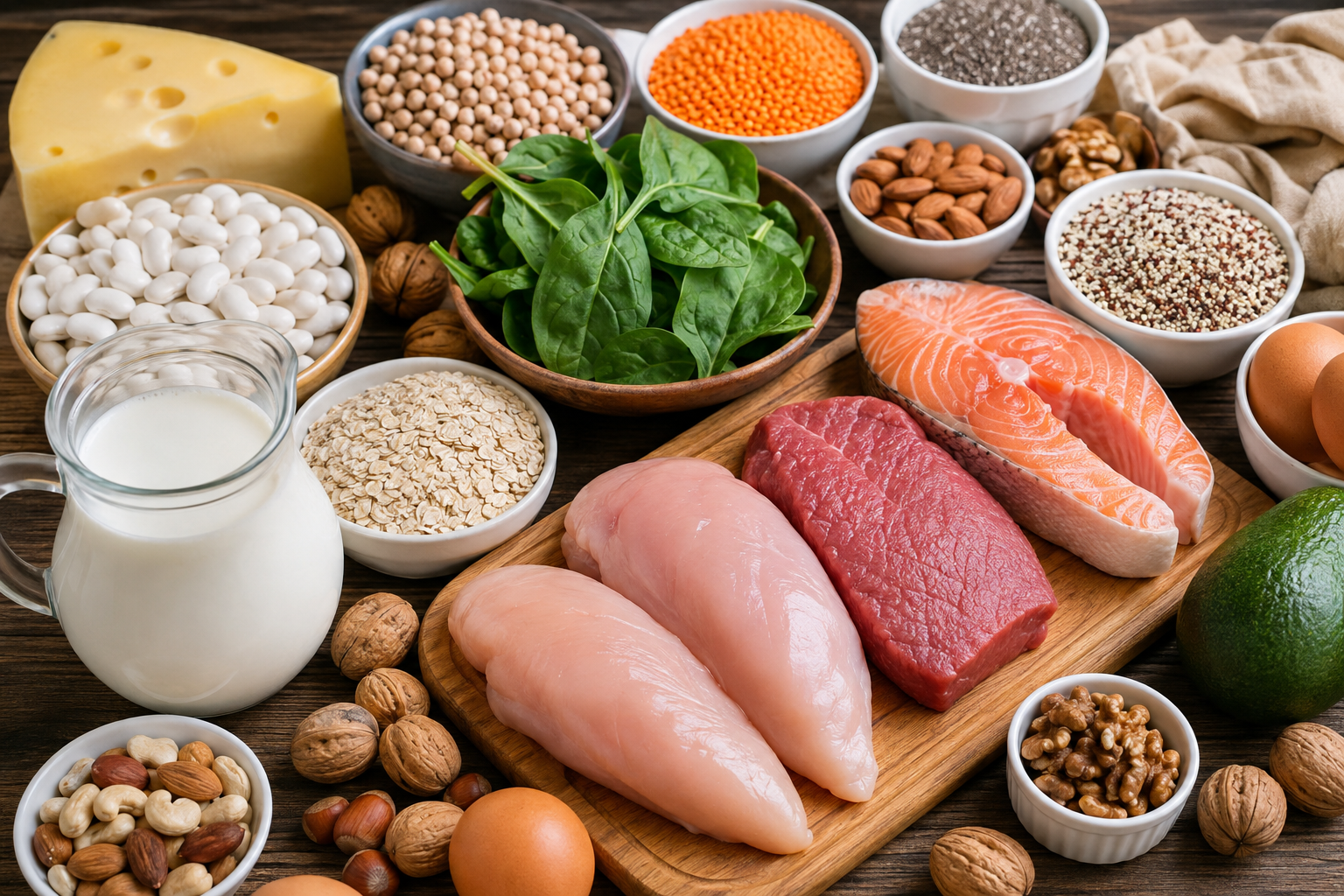
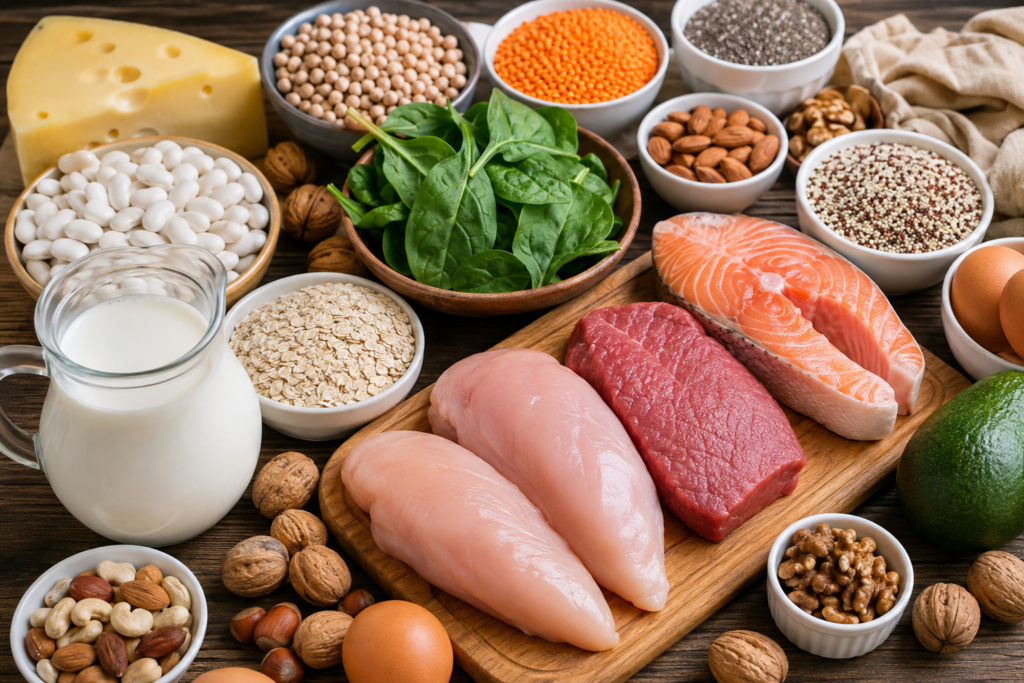
Best Protein Sources for Beginners
Getting enough protein does not mean eating expensive supplements.
Many everyday foods are packed with high quality protein.
Chicken Breast
Chicken breast is one of the most popular protein foods because it is lean, affordable, and easy to cook.
Protein per 100 grams
Around 31 grams.
Eggs
Eggs provide complete protein and many important vitamins.
Protein per egg
Around 6 grams.
Greek Yogurt
Greek yogurt contains more protein than regular yogurt and makes an excellent breakfast or snack.
Protein per cup
Around 15 to 20 grams.
Fish
Fish like salmon and tuna provide protein along with healthy omega 3 fats.
Protein per 100 grams
Around 20 to 25 grams.
Lean Beef
Lean beef is rich in protein, iron, and vitamin B12.
Protein per 100 grams
Around 26 grams.
Cottage Cheese
This dairy product is rich in casein protein, making it great before bedtime.
Protein per cup
Around 25 grams.
Lentils
Lentils are a great plant based protein option.
Protein per cooked cup
Around 18 grams.
Chickpeas
Chickpeas are affordable and versatile.
Protein per cooked cup
Around 15 grams.
Tofu
Tofu is perfect for vegetarians and vegans.
Protein per 100 grams
Around 8 to 10 grams.
Milk
Milk provides both protein and calcium.
Protein per cup
Around 8 grams.
Should Beginners Use Protein Powder?
Protein powder is not necessary for everyone.
If you can meet your daily protein goal through regular food, supplements are not needed.
However, protein powder can be helpful if:
You have a busy schedule.
You struggle to eat enough protein.
You need a quick post workout meal.
You travel often.
A simple whey protein shake after exercise can help you reach your daily protein target.
Remember that supplements should support a healthy diet, not replace real food.
How to Spread Protein Throughout the Day
Instead of eating all your protein at dinner, try spreading it across your meals.
This helps your body use protein more efficiently.
A simple example:
Breakfast
20 grams
Lunch
30 grams
Snack
15 grams
Dinner
30 grams
Evening snack
10 grams
This approach also helps you stay full throughout the day.
Protein and Weight Loss
Many beginners start exercising because they want to lose weight.
Protein can help make weight loss easier.
High protein meals increase fullness, which means you naturally eat fewer calories.
Protein also helps preserve muscle while losing fat.
For example, replacing sugary snacks with Greek yogurt, boiled eggs, or cottage cheese can keep you satisfied much longer.
This is another reason why understanding how much protein should beginners eat daily is valuable for anyone trying to lose weight.
Protein and Muscle Gain
If your goal is muscle growth, protein becomes even more important.
Muscles need protein to recover after workouts.
Combined with progressive strength training, enough protein helps your body build lean muscle over time.
Beginners often experience fast improvements during the first few months because their bodies respond quickly to training.
Eating enough protein supports these early gains.
Common Protein Myths
Many myths about protein confuse beginners.
Let’s clear up some of the biggest ones.
Myth 1: More Protein Is Always Better
Your body only needs a certain amount each day.
Eating extremely high amounts will not double your muscle growth.
Myth 2: Only Meat Contains Protein
Many plant foods like beans, lentils, tofu, quinoa, and nuts also provide protein.
Myth 3: Protein Damages Healthy Kidneys
Research shows that higher protein diets are generally safe for healthy people.
People with existing kidney disease should follow medical advice.
Myth 4: You Need Protein Immediately After Exercise
While protein after training is helpful, your total daily intake matters much more.
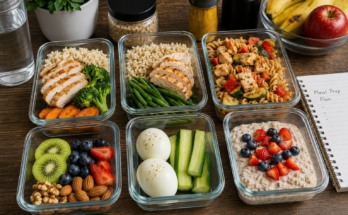
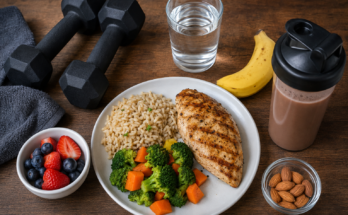
Easy High Protein Meal Ideas
Here are simple meals beginners can prepare.
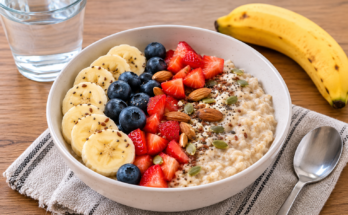
Breakfast
Scrambled eggs with whole wheat toast.
Greek yogurt with berries.
Oatmeal mixed with protein powder.
Lunch
Grilled chicken with rice and vegetables.
Turkey sandwich.
Tuna salad.
Dinner
Grilled salmon with potatoes.
Lean beef with vegetables.
Chicken stir fry.
Healthy snacks
Boiled eggs.
Protein smoothie.
Cottage cheese.
Mixed nuts.
Roasted chickpeas.
These meals make it easier to reach your daily protein target without relying on supplements.
Mistakes Beginners Should Avoid
Many people make simple mistakes when trying to increase protein intake.
Skipping breakfast.
Eating most protein in one meal.
Relying only on protein shakes.
Ignoring vegetables and healthy fats.
Not drinking enough water.
Expecting instant muscle growth.
A balanced diet always works better than focusing on one nutrient alone.
Do Older Beginners Need More Protein?
As we age, muscle loss naturally increases.
Older adults often benefit from slightly higher protein intake, especially if they start exercising.
Protein combined with strength training helps preserve muscle mass and improve overall strength.
If you are over 50 and beginning a fitness routine, talk to a healthcare professional or registered dietitian for personalized recommendations.
Simple Tips to Reach Your Protein Goal
Meeting your daily protein target becomes much easier with a little planning.
Include protein in every meal.
Choose lean protein sources.
Prepare meals in advance.
Carry healthy protein snacks.
Drink enough water.
Track your meals if needed.
Stay consistent every day.
Small habits repeated daily lead to better long term results.
Final Thoughts
If you have been wondering how much protein should beginners eat daily, the answer depends on your body weight and activity level. Most beginners who exercise regularly should aim for around 1.4 to 1.6 grams of protein per kilogram of body weight each day. This amount is enough to support muscle recovery, strength gains, and overall health without going overboard.
Remember that protein is only one part of a healthy lifestyle. Pair it with regular exercise, enough sleep, balanced meals, and proper hydration for the best results. Focus on consistency rather than perfection, and your progress will come naturally over time.
By choosing nutritious protein rich foods and spreading your intake throughout the day, you can build healthy habits that support your fitness goals from the very beginning.